

Ecosystem Theory for Nonprofits
What is it and why it’s important for collective work?
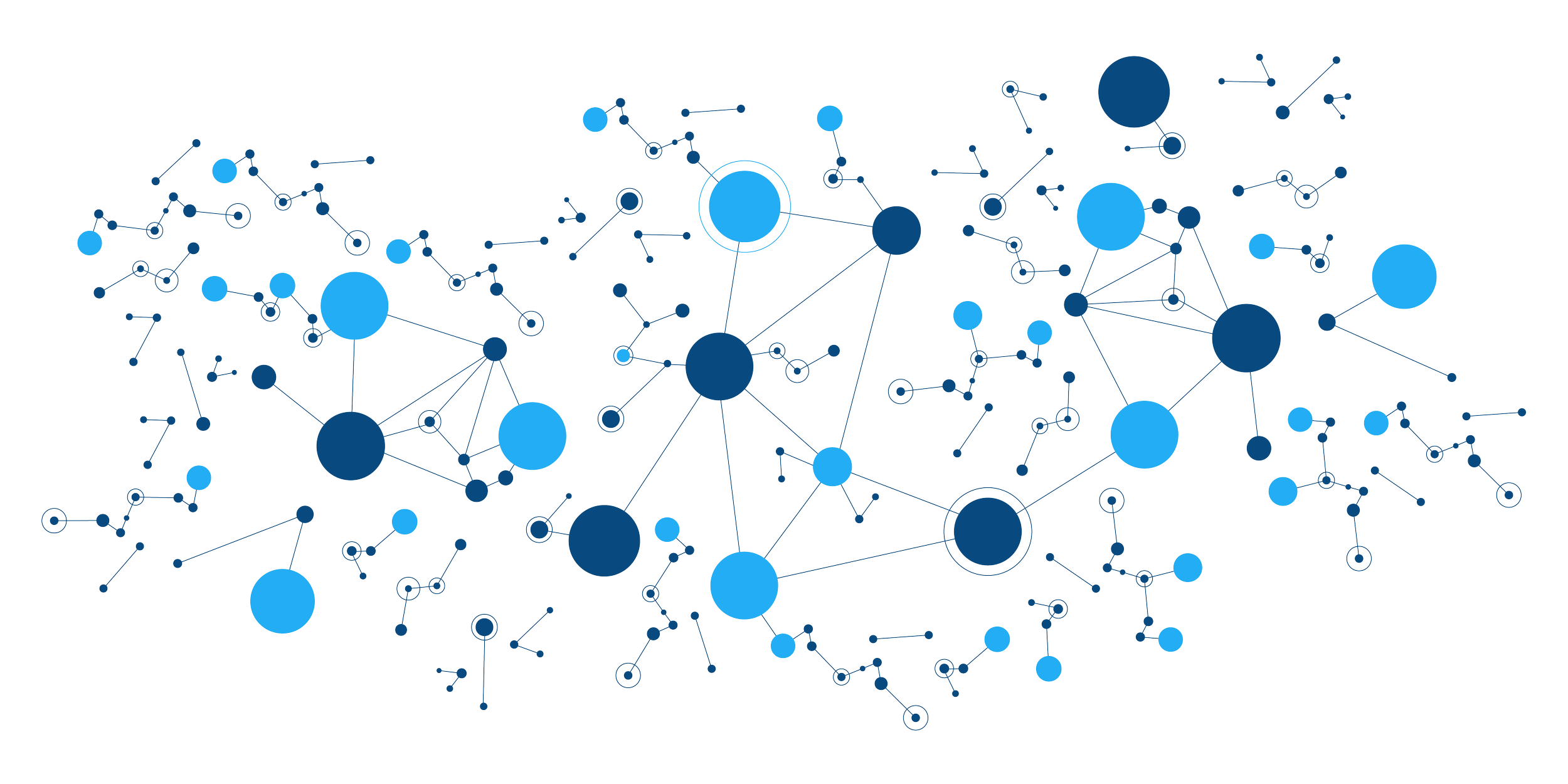
One of the key frameworks that we use at Mockingbird is Nonprofit Ecosystem Theory. We use this throughout the Incubator curriculum and in our consulting work working with many nonprofits in different cause areas. Mapping out the ecosystem that social justice work exists within allows nonprofits to look at the cause and community that you are serving, holistically. Ecosystem theory further enables nonprofits to examine where an organization might have service gaps, and also helps surface opportunities to create partnerships and build power collectively through coalitions.
Our Ecosystem theory and framework is informed by the work of adrienne marie brown in Emergent Strategy.
What is Ecosystem Theory?
Ecosystem theory teaches us that partnerships are key to the long term success of movement building. Instead of the for profit, capitalism designed idea of competition, nonprofit organizations are not in competition with each other, they are part of the same ecosystem. This means that sometimes cause areas are aligned, intersectional, overlap, and/or affect other cause areas. Partnering with other organizations that align with your mission and cause area is important because the work that one organization does may enhance, expand, or create a larger impact for the community being served.
Ultimately, Ecosystem theory teaches us that we are better together. Through partnerships and coalitions, nonprofit organizations can advocate more effectively for policy change, build/share resources, and gain new understanding on how your work benefits your community.
Incorporating Ecosystem Theory into Our Work
Reframing our work as an interconnected supportive system (Ecosystem) will allow us to better serve our communities and create greater impact. It’s important to acknowledge that nonprofits exist within capitalism and they have to function under it, but solidarity politics and systems are meaningful to long term success in preventing harm, while we also work to repair it.
The last important pillar of Ecosystem theory is the fact that while we work within an ecosystem, we're working towards a collective goal—social impact and the greater good of society. Bringing ideas of scarcity and competition to the Nonprofit Ecosystem are detrimental to how nonprofit organizations grow and do lasting work to solve the wicked problems of the world. To get a deeper understanding of ecosystem theory, step back and observe and take note of the ecosystem around you.This is how we can begin to incorporate Ecosystems Theory into our work.